How Do You Create a Product Feed?
To create a product feed, you will need all the appropriate information about your product.
There are three methods you can use:
- Manual creation
- Shop platform systems
- Feed creation tools
Things to Note About Product Feeds
While product feeds can make selling more convenient on various channels, they can also become overwhelming for business owners who do not track their feeds.
Most product feeds do not have information about optimization, so retailers need to manage the SEO and metadata for each site.
Business owners need to manage the product information to keep their lists accurate and their customers happy.
What is Product Feed Management?
To manage your product feeds, you must administer them to your chosen shop platforms and optimize them for the best performance. You can submit each feed manually or use an automatic method to distribute them to multiple platforms at once.
You can also track your feeds’ progress to understand how to improve their optimization.
Tips for Product Feed Success
Before arranging a product feed, businesses need to decide how to manage the data. It’s helpful to have a plan before uploading the feed to platforms. Consider using third-party apps to skip the back and forth work with developers and repetitive manual work.
Feed Automation Tools
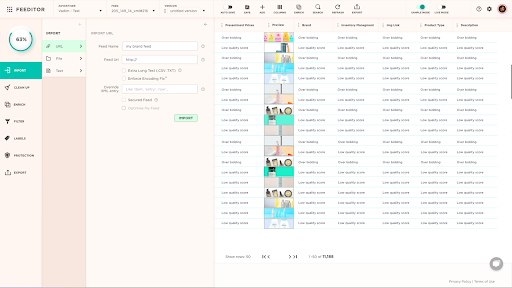
Several companies offer feed automation tools that are designed to help retailers with complex or repetitive actions with their product feeds. Adcore offers a product feed app called Feeditor. With the Feeditor features, marketers and retailers can improve their sales performance. By getting products into the Feeditor, businesses can expand their reach by advertising to shoppers on Google, Amazon, and other popular global shopping sites. Shoppers can make purchases using any currency.
Using Feeditor removes the need for a software developer because this product makes adding new items and changing file formats easy.
Feeditor allows marketers and retailers to change their feeds at any time. They adjust the items as their needs change, and they can alter them to meet the requirements of each e-commerce platform. With one convenient product feed management tool, retailers won’t have to worry about combining platforms and losing product details in several tools.






 Back to top