Introduction
Something died in digital marketing over the last two years quietly and without a eulogy. The daily rituals that used to define agency life: adjusting bids by the hour, pacing budgets to the penny, cycling creative, slicing audiences into ever-finer segments. Platforms like Google AI Max, Performance Max, and Meta Advantage + absorbed all of it. The machine learned the craft. And now the humans who built their careers around it are left staring at dashboards that mostly run themselves.
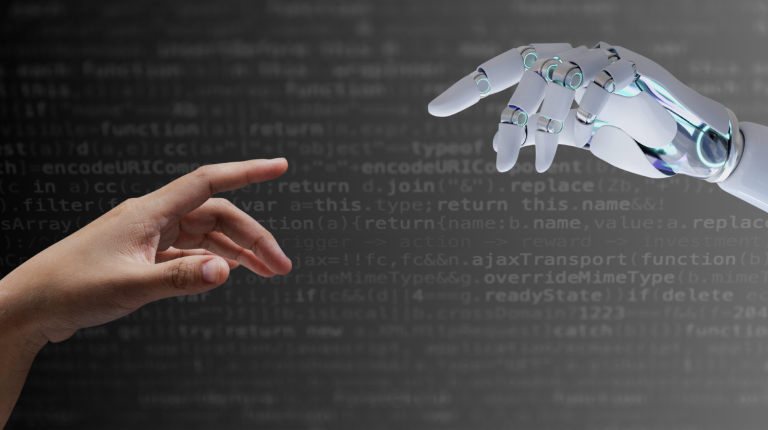
That’s genuinely good news. But it’s created a question that not enough people are asking out loud: now that the machine is doing the machine work, what are you supposed to be doing?
The answer isn’t less. It’s something harder and more valuable. This is the kind of human thinking that makes AI campaigns actually work.
Part 1: What AI Is Genuinely Brilliant At
Let’s be clear: AI has earned its place. This isn’t a “beware of the robots” article. The automation running inside today’s ad platforms is legitimately impressive, and marketers who resist it are leaving performance on the table.
Here’s what AI handles well today:
Smart bidding. Google’s bidding algorithms process signals in real time (device, location, time of day, search history, browsing behavior) and adjust bids at a speed and scale no human can match. Manual CPC is increasingly a handicap, not a control.
Audience signals. Platforms like Meta Advantage+ and Google PMax don’t just target the audiences you specify. They find people like them, expanding reach to high-probability converters you wouldn’t have thought to target.
Creative testing at scale. AI can test hundreds of headline and description combinations simultaneously, learning which messages resonate with which audiences far faster than any A/B test a human could run.
Budget allocation. Cross-campaign and cross-channel budget tools now shift spend dynamically toward whatever is converting best at any given moment.
At Adcore, we deploy all of this through our own Marketing Cloud tools and through the platforms themselves. We’ve seen firsthand what AI-powered campaign management can do: the Candlefox AI Max trial delivered a 30% increase in conversions and a 17% reduction in cost per conversion in just 30 days. The machine works.
Part 2: What the Machine Gets Wrong Every Time
Here’s where it gets interesting.
Algorithms optimize for behavior, clicks, conversions, and signals. What they can’t do is understand why someone behaves the way they do. And that gap is where campaigns go from good to great.
Consider someone searching for a “portable air conditioner.” The algorithm sees a commercial intent keyword. It bids, it serves an ad, it measures the click. What it doesn’t know is that the person just moved into their first apartment and is searching at 11pm because they can’t sleep from the heat and what they actually want is to feel like they’ve got their new life together. The product is a means to an emotion.
AI can’t read that. A good marketer can.
The same applies to creativity. A perfectly optimised product image might lose to a lo-fi video from a brand ambassador someone already trusts, because trust outperforms production value almost every time. Knowing that, and knowing which ambassador, and knowing what they should say. That’s still a people’s job.
The irony is that most marketers are so busy managing platforms (checking dashboards, adjusting budgets, troubleshooting disapproval) that they never get to this deeper thinking. AI was supposed to free up that time. For most teams, it hasn’t actually changed how they spend their days.





 Back to top